Saturday, April 16, 2011

Access to Health Care

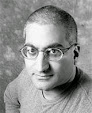
Yusuf (JP) M. Saleeby, MD
Access to healthcare in South Carolina is in need of a large band-aid.  South Carolina happens to be one of the unhealthiest states in theUnion by reports with a ranking of 46 out of 50 in the nation.  This low ranking may be in part to the lifestyle and genetics of the population, but very likely the resident's poor access to quality healthcare is a determining factor.  Poor dietary habits, a diet traditionally rich in fatty and fried foods along with the general lack of exercise by the vast majority contribute to this but can be overcome with proper preventive medicine interventions.  Syndrome X (Metabolic Syndrome) is rampant in the southeast, hitting SC very hard with large populations of those suffering from hypertension (HTN) and diabetes mellitus (DM).  Lack of access to basic healthcare mean hypertension, diabetes and other disorders go unrecognized and thus untreated.  Ramifications of untreated HTN and DM alone can account for great morbidity among the population, leading to heart disease, renal failure, stroke, and blindness to name a few outcomes.  This population of under-treated will eventually consume a greater healthcare dollar as their disease process worsens and sequelae materialize.
Statistics show some 19.4% of those living in South Carolina are uninsured, having no type of health insurance at all.  From a 2002 report, the uninsured residents cost the healthcare system upwards of $1,936 per individual per year.  While 60% of the uninsured are hard working citizens, the vast majority (74%) when asked list "affordability" as the reason for not obtaining or purchasing health insurance.  About half the eligible individuals without health insurance do not enroll in public programs for two chief reasons; firstly, they don’t want to receive government support and secondly, they don’t want government to provide health coverage.
 
The problem goes beyond the individual residents of the state.  Almost 80% of businesses in SC, excluding self-employed and government workers have fewer than 10 employees and 53% of these “small employers” with a work force less than 10 employees do not offer group-sponsored health insurance to their employees because of cost issues.  Now that the problem has been identified, what is the solution?  Well it is a complex and multi factorial problem to solve.  Should the government step in and cover the cost of supplying healthcare to all individuals at great expense to the taxpayer?  I say no.  A resounding no!  For the most part we see the failures in the system of government sponsored or supplied healthcare with what is currently going on with Medicare and Medicaid.  Another example of mediocre healthcare delivery is with our nation's veterans.  The Veteran Administration (VA) system of healthcare is increasingly slow, impersonal and cumbersome.  Private sector delivery systems can provide an answer as long as they are regulated to eliminate unfair business practices and unscrupulous profiteering.  To allow a system to become successful as a business model, it must keep overhead down, allow current advances in communication technologies to be at its disposal and become free from the blood letting of insurance companies and a legal system with no reforms to place a ceiling on monetary awards for malpractice claims.  One way to solve issues of cost containment for delivery models that will allow savings to be past to consumers is the use of telehealth with self insurance and the passing of legislation for tort reform.  For a mere fraction of the cost of operating a brick-and-mortar typical family practice, telehealth can accomplish almost 70% of what can be conducted in an office setting without the cost prohibitive costs.  End result is the savings passed along to the patient (consumer).  Making routine and basic healthcare one again affordable.  

Exploring this model is the AtroGene Telemedicine group.  This group of clinicians have departed from the typical means of conducting business via a traditional office based practice and is exploring new ways of healthcare delivery via telephone and video-consulting.  The Internet savvy end consumer will most likely embrace this new technology with offers great promise and practicality.  Older patients who are used to office based practice may find the task of trusting the Internet and telemedicine a daunting task.  The younger patient, typically will have minor acute illnesses that have lower acuity and can be managed comfortably by practitioners well versed in telemedicine, knowing the abilities and limitations of the system.  Thousands of healthcare dollars can be saved if this new model is embraced.  This will divert non-emergent or non-urgent patients from burdening our already overcrowded emergency departments and allow for better and more efficient management of higher acuity patients in true need of the ED.

Likewise access to direct access testing (DAT) will allow astute consumers/patients direct access to lab and blood testing.  By passing the traditional avenues to obtaining routine annual labs, they can once again drastically reduce their expenditures on the basic routine aspects of health and wellness.  With only minor interventions and guidance by healthcare providers the vast majority of the public can obtain affordable healthcare tests they would have otherwise ignored or put off for lack of ability to pay a higher price tag.  Affordable and easily accessible telehealth may very well be the panacea to save the majority of uninsured clients in our state.
 
Source: some statistical information gained from www.covertheuninsuredsc.org
 
 
Other interesting facts:

A 2010 Press Ganey Pulse Report (survey) demonstrated the national average emergency room wait time was 4-hours and 7-minutes long.
There are 123-million emergency room visits in America each year.  The vast majority are considered non-emergent.
There are an estimated 312,000 Primary Care Physicians (PCP) today, but the current need requires about 13,000 more.
65-million Americans live in areas without enough Primary Care Physician coverage.
Wait times of about 2-months are routinely being reported for patients to see their physicians (PCPs).
http://www.nejm.org/doi/full/10.1056/NEJMp0902909  (Another article crying out for help, proposes some solutions)
 
Stop Following – Don't email me when people reply

Replies to This Discussion

Delete
Perspective
Health Care 2009

A Lifeline for Primary Care

Thomas Bodenheimer, M.D., Kevin Grumbach, M.D., and Robert A. Berenson, M.D.
N Engl J Med 2009; 360:2693-2696June 25, 2009
Article
Primary care in the United States needs a lifeline. In 2009, for the 12th straight year, the number of graduating U.S. medical students choosing primary care residencies reached dismally low levels.1 Overloaded primary care practices, whose doctors are aptly compared to hamsters on a treadmill, struggle to provide prompt access and high-quality care. Three major factors contribute to this crisis. First, primary care physicians earn far lower incomes than procedural specialists, reducing career attractiveness for medical students with high debt burdens. Second, the work-related stresses felt by primary care physicians tags primary care as the career with more work at less pay. Third, medical education favors training in non–primary care fields. Rescuing primary care requires national policies that address all three issues.
Growing clamor that primary care's plight may undermine important goals of health care reform has Washington policymakers concerned. Primary care has featured prominently in recent hearings held by Senate and House committees, and the New York Times has quoted President Barack Obama as saying that “we're not producing enough primary care physicians.” The administration and Congress understand that after Massachusetts expanded health insurance in 2006, many newly insured adults were unable to find a primary care physician, raising the specter of theoretically universal access to care but no primary care to which to have access. Policymakers are also familiar with studies showing that health systems anchored in primary care have lower costs and better quality.2
A bold federal initiative to revitalize primary care is urgently needed as part of health care reform legislation. This initiative must be comprehensive, simultaneously addressing three interrelated issues: physician payment, practice infrastructure and organization, and the training pipeline (see tableRevitalizing Primary Care.).
For the first of these, physician payment, Medicare and most private insurers currently use the resource-based relative value scale, which was purportedly designed to reduce the payment gap between primary care physicians and procedural specialists. That gap, however, continues to widen. Under Medicare's sustainable-growth-rate approach to containing expenditures, spending on physicians' services remains a zero-sum game: if expenditures for all physicians' services exceed a congressionally set target, physicians' fees are supposed to decline. Because of disproportionately large increases in spending growth for advanced imaging, tests, and minor procedures, physicians whose income depends on evaluation and management (cognitive) services, especially primary care physicians, have seen a relative reduction in Medicare revenues.3 And commercial health plans frequently amplify this gap between primary care and specialty payment.
Congress is considering options for reducing the Medicare payment gap. For the short term, the Medicare Payment Advisory Commission (MedPAC) has recommended that Medicare primary care evaluation and management services receive an increase of 5 to 10% next year.4 Congress is exploring such an increase, perhaps also for additional years. To close the income gap, annual increases of this magnitude would need to compound for several years, and private payers would have to follow suit. Medicare would also have to split physicians' services into separate buckets so that primary care payments would not be reduced as a result of rapid growth in expenditures for procedures and imaging.
An additional strategy to make primary care financially attractive would be providing more relief from medical education debt for clinicians entering primary care. The stimulus package — the American Recovery and Reinvestment Act of 2009 (ARRA) — included expanded funding for the National Health Service Corps, which provides debt-relief opportunities for primary care physicians. Congress is considering further growth of the corps.
For the longer term, Congress is weighing alternatives to fee-for-service compensation of physicians. Currently, reimbursement for office visits does not capture many activities that primary care practices must perform for their patients, especially those with chronic conditions. Under the Medicare Patient-Centered Medical Home demonstration, additional payments would be made to qualifying practices for care-coordination activities, including communication with patients and families by telephone and secure e-mail. Even more ambitiously, Congress may expand the modestly successful Physician Group Practice Demonstration for primary care–oriented integrated care systems, such as the Geisinger Health System and Kaiser Permanente. Under this approach, groups would be rewarded for improved performance on quality measures and assessments of patients' experience by being allowed to share in the savings if costs for their Medicare patients were lower than projected. Under both of these approaches, primary care physicians should receive higher incomes. Moreover, these models provide resources and incentives for enhanced practice capabilities and team orientation to make primary care practice more satisfying and manageable.
Payment reform is a necessary but not sufficient measure for revitalizing primary care, which also requires a modernization program for the second piece of the puzzle — practice infrastructure and organization — akin to federal infrastructure investments to shore up aging bridges and outmoded electrical grids. Most primary care physicians practice in small offices and clinics and cannot afford major capital improvements.
The most pressing infrastructure need is health information technology (HIT). Governments in several European countries equip all primary care practices with interoperable, ambulatory care–focused electronic health records that allow information to flow across settings to enhance the continuity and coordination of care. The ARRA included $19 billion for HIT but did not specify how these funds should be apportioned; it is essential that a substantial share be channeled toward primary care electronic health records.
Yet primary care needs more than computer chips and keyboards. Primary care clinicians require technical assistance to reorganize their practices into modernized medical homes, which will entail the formation of teams to assist physicians in providing proactive preventive and chronic care, the institution of same-day appointment scheduling, the substitution of e-mail and telephone encounters for face-to-face visits when clinically appropriate, and improvement of the coordination of care with specialists, hospitals, and other service providers. Recognizing these needs, Congress included a section in the ARRA calling for the creation of HIT regional extension centers to assist practices and hospitals in implementing HIT. This model draws from the Department of Agriculture's Cooperative Extension Service, a collaboration among federal and state governments, agricultural experts at land-grant universities, and farmers. Extension field agents in every county provide technical assistance to local farmers, spreading agricultural innovations. Believing that what worked for family farmers may also work for family doctors, Congress is considering broadening the scope of a health-oriented extension program beyond HIT to facilitate more profound reorganization of primary care.
The final area requiring action is federal funding of medical education. Medicare spends $8.8 billion annually on graduate medical education (GME), almost all of which flows to hospitals rather than directly to residency programs. Appreciating that this payment mechanism inhibits training in nonhospital ambulatory care settings, which is critical for the development of primary care skills, MedPAC and the Council on Graduate Medical Education are calling for more flexible approaches to Medicare GME payment.5 Advocacy groups for family medicine have gone further and proposed that Medicare GME funding for primary care residency training be wrested from hospital control and paid directly to residency programs, raising the politically charged question of whether GME funding should fundamentally be payment for medical education or a subsidy to hospitals.
The federal government also administers smaller but strategically important programs supporting primary care education under the Public Health Service Act: Title VII (for physicians, physician assistants, and dentists) and Title VIII (for nurses). Despite research documenting these programs' effectiveness, Title VII training funds were reduced from $88.8 million in 2005 to $41.3 million in 2006. The ARRA provided $200 million in one-time funding for Title VII and Title VIII programs, and Congress may increase the base level of funding in the 2010 appropriations bill. Far-reaching medical-education reform would redirect a substantial portion of Medicare's GME billions to strengthening primary care residencies and preparing residents to lead the implementation of innovative models of primary care.
This triad of reforms to primary care policy would result in a comprehensive and interlocking solution to the causes of distress in primary care. Reducing the payment gap would help to refill the pipeline of physicians going into primary care, as would reform of training programs. Changes in reimbursement would pave the way for practice reorganization and be symbiotic with a technical-assistance program. Practice reorganization, in turn, would improve the satisfaction, performance, and productivity of the primary care workforce.
As it writes health care reform legislation, Congress is deliberating over measures that would offer a three-stranded lifeline to rescue primary care. Successfully weaving these strands together is a political challenge, particularly if shifting resources to primary care is viewed by specialists and teaching hospitals as coming at their expense. But for health care reform to succeed in improving access, quality, and affordability, Congress and the Obama administration must make the primary care lifeline strong; otherwise, they risk watching primary care go under.
No potential conflict of interest relevant to this article was reported.
Dr. Bodenheimer is a professor at the Center for Excellence in Primary Care in the Department of Family and Community Medicine, and Dr. Grumbach a professor and chair of the Department of Family and Community Medicine at the University of California, San Francisco, School of Medicine, San Francisco. Dr. Berenson is an institute fellow at the Urban Institute, Washington, DC.
References
  1. 1
    National Resident Matching Program. Advance data tables: 2009 main residency match. (Accessed June 4, 2009, at http://www.nrmp.org/data/advancedatatables2009.pdf.)
  2. 2
    Starfield B, Shi L, Macinko J. Contribution of primary care to health systems and health.Milbank Q 2005;83:457-502
    CrossRef | Web of Science | Medline
  3. 3
    Bodenheimer T, Berenson RA, Rudolf P. The primary care-specialty income gap: why it matters. Ann Intern Med 2007;146:301-306
    Web of Science | Medline
  4. 4
    Report to the Congress. Medicare payment policy. Section 2B. Washington DC: Medicare Payment Advisory Commission, March, 2009:77-128. (Accessed June 4, 2009, athttp://www.medpac.gov/documents/Mar09_EntireReport.pdf.)
  5. 5
    Nineteenth report: enhancing flexibility in graduate medical education. Rockville, MD: Council on Graduate Medical Education, September 2007. (Accessed June 4, 2009, athttp://www.cogme.gov/19thReport/default.htm.)

Saturday, April 9, 2011

Dr. Saleeby contributes to Wikipedia - Gynostemma pentaphyllum

Gynostemma pentaphyllum

From Wikipedia, the free encyclopedia
Jump to: navigation, search
Gynostemma pentaphyllum
Scientific classification
Kingdom: Plantae
(unranked): Angiosperms
(unranked): Eudicots
(unranked): Rosids
Order: Cucurbitales
Family: Cucurbitaceae
Subfamily: Zanonioideae
Subtribe: Gomphogyninae
Genus: Gynostemma
Species: G. pentaphyllum
Binomial name
Gynostemma pentaphyllum
(Thunb.) Makino 1902
Baby jiaogulan plants
Gynostemma pentaphyllum, also called jiaogulan (Chinese: 绞股蓝; pinyin: jiǎogǔlán, literally "twisting-vine-orchid") is an herbaceous vine of the family Cucurbitaceae (cucumber or gourd family) indigenous to the southern reaches of China, southern Korea and Japan. Jiaogulan is best known as an herbal medicine reputed to have powerful antioxidant and adaptogenic effects that increase longevity.

Contents

[hide]

Range

Jiaogulan is a vine hardy to USDA zone 8 in which it may grow as a short lived perennial plant. It can be grown as an annual in most temperate climates, in well-drained soil with full sun. The plant is dioecious, meaning each plant exists either as male or female. Thus, if seeds are desired, both a male and female plant must be grown. Unlike most plants of the Cucurbitaceae family, jiaogulan does not show toxicity.[1],[2]

Uses

Ethnomedicine

The plant is best known for its use as an herbal medicine in traditional Chinese medicine. A botany book by Wu Qi-Jun from 1848 Zhi Wu Ming Shi Tu Kao Chang Bian discusses a few medicinal uses and seems to be the earliest known documentation of the herb. Jiaogulan had been cited previously as a survival food in Zu Xio's 1406 book Materia Medica for Famine. Until recently it was a locally known herb used primarily in regions of southern China. It is described by the local inhabitants as the "immortality herb", because people within Guizhou Province, where jiaogulan tea is drunk regularly, are said have a history of living to a very old age.[3][4]
Jiaogulan is most often consumed as an herbal tea, and is also available as an alcohol extract and in capsule or pill form.[5] It is known as an adaptogen and antioxidant that has been found effective in regulating blood pressure, lowering cholesterol, and improving endurance.[6] Because of its adaptogenic effects, it is frequently referred to as "Southern Ginseng," although it is not closely related to true Panax ginseng. Its chemical constituents include the triterpenoid saponins gypenosides which are closely structurally related to the ginsenosides from the well-known medicinal plant ginseng.[7] Jiaogulan is also believed to have calming effects and to be useful in combination with codonopsis for jet lag and altitude sickness.[4] Most research has been done since the 1960s when the Chinese realized that it might be an inexpensive source of adaptogenic compounds, taking pressure off of the ginseng stock. Gynostemma pentaphyllum tea, has been used in a Randomized Controlled Trial to treat type 2 diabetic patients.[8] It has been shown to be hypoglycemic[9]

Alternate names

Western languages such as English and German commonly refer to the plant as jiaogulan. Other names include:[10]
  • Chinese: xiancao (仙草, literally "immortal grass"; more accurately "herb of immortality")
  • English: five-leaf ginseng, poor man's ginseng, miracle grass, fairy herb, sweet tea vine, gospel herb, Southern Ginseng
  • Japanese: amachazuru (kanji: 甘茶蔓; hiragana: あまちゃずる; literally 甘いamai=sweet, tasty 茶 cha=tea, 蔓 zuru=vine, creeping plant)
  • Korean language: dungkulcha (덩굴차) or dolwe (돌외)
  • Latin: Gynostemma pentaphyllum or Vitis pentaphyllum
  • Taiwanese: sencauw
  • Thai: jiaogulan (เจียวกู่หลาน)
  • Vietnamese: giảo cổ lam
  • Portuguese: cipó-doce
Jiaogulan tea is also marketed in the United States under the trade names Panta tea or Penta tea, depending on the supplier.

References

  1. ^ Chronic toxicity of Gynostemma pentaphyllum. Attawish A. Chivapat S. Phadungpat S. Bansiddhi J. Techadamrongsin Y. Mitrijit O. Chaorai B. Chavalittumrong P. Fitoterapia. 75(6):539-51, 2004 Sep.
  2. ^ Neuroprotective effects of herbal ethanol extracts from Gynostemma pentaphyllum in the 6-hydroxydopamine-lesioned rat model of Parkinson's disease. Choi HS. Park MS. Kim SH. Hwang BY. Lee CK. Lee MK. Molecules. 15(4):2814-24, 2010.
  3. ^ Winston, David; Steven Maimes (April 2007). Adaptogens: Herbs for Strength, Stamina, and Stress Relief. Healing Arts Press. ISBN 978-1594771583.  Contains a detailed herbal monograph on jiaogulan and highlights health benefits.
  4. ^ a b Bensky, Dan; Andrew Gamble, Steven Clavey, Erich Stöger (September 2004). Chinese Herbal Medicine: Materia Medica, 3rd Edition. Eastland Press. ISBN 978-0939616428. 
  5. ^ Blumert, Michael; Jialiu Liu (2003). Jiaogulan: China's "Immortality" Herb. Badger, CA: Torchlight Publishing. pp. 66–70. ISBN 1-887089-16-0. 
  6. ^ "Complete Jiaogulan information from Drugs.com". Drugs.com. http://www.drugs.com/npp/jiaogulan.html. 
  7. ^ Histochemical localization of ginsenosides in Gynostemma pentaphyllum and the content changes of total gypenosides]. [Chinese] Liu SB. Lin R. Hu ZH. Shih Yen Sheng Wu Hsueh Pao: Journal of Experimental Biology:. 38(1):54-60, 2005 Feb.
  8. ^ Antidiabetic effect of Gynostemma pentaphyllum tea in randomly assigned type 2 diabetic patients. Huyen VT. Phan DV. Thang P. Hoa NK. Ostenson CG. Hormone & Metabolic Research. 42(5):353-7, 2010 May.
  9. ^ Screening of the hypoglycemic effect of eight Vietnamese herbal drugs. Hoa NK. Phan DV. Thuan ND. Ostenson CG. Methods & Findings in Experimental & Clinical Pharmacology. 31(3):165-9, 2009 Apr. UI: 19536359
  10. ^ "Other Names for Jiaogulan". Immoralitea. 2005. http://www.immortalitea.com/othernames.htm. Retrieved 2009-07-27. 
  • Saleeby, J.P., Keefer, A., "Wonder Herbs: A guide to three adaptogens", Xlibris, 2006. Entire chapter devoted to G. pentaphyllum.

External links

Wednesday, April 6, 2011

"Surgery & Medicine during the Am. Civil War"

Surgery and Medicine during the Am. Civil War


Lecture by  Yusuf Saleeby, MD

Thursday April 7th, 2011 6:30PM
Horry County Library, Conway Branch
801 Main Street, Conway, SC
For more information: 843-915-7323

A collection of Dr. Saleeby’s medical antiques will be on display at the library during April.

Again:  May 26th, 2011 12:00PM
Senior Circle, Bennettsville, SC

http://www.antiquusmorbus.com/Index.htm

http://www.civilwarsurgeons.org/


http://www.civilwarmed.org/

Inquire about lecture:  ymsaleeby@gmail.com


Tuesday, March 29, 2011

Dr. Saleeby contributes to Wikipedia - Rhodiola rosea

Rhodiola rosea

From Wikipedia, the free encyclopedia
Jump to: navigation, search
Rhodiola rosea (Roseroot, Golden Root, Arctic Root, Orpin Rose, Rhodiole Rougeâtre)
Scientific classification
Kingdom: Plantae
(unranked): Angiosperms
(unranked): Eudicots
(unranked): Core eudicots
Order: Saxifragales
Family: Crassulaceae
Genus: Rhodiola
Species: R. rosea
Binomial name
Rhodiola rosea
L.[1]
Synonyms
Sedum rosea (L.) Scop.
Sedum rhodiola DC.
Rhodiola arctica Boriss.
Rhodiola iremelica Boriss.
Rhodiola scopolii Simonk.
Sedum scopolii Simonk.
Золотой Корень, Solotoy Koren
Rhodiola rosea (Golden Root, Roseroot, Aaron's Rod) is a plant in the Crassulaceae family that grows in cold regions of the world. These include much of the Arctic, the mountains of Central Asia, the Rocky Mountains, and mountainous parts of Europe, such as the Alps, Pyrenees, Carpathian Mountains, Scandinavia, Iceland, Great Britain and Ireland. The perennial plant grows in areas up to 2280 meters elevation. Several shoots grow from the same thick root. Shoots reaches 5 to 35 cm in height. Rhodiola rosea is dioecious – having separate female and male plants.

Contents

[hide]

Uses

Plant
Rhodiola rosea may be effective for improving mood and alleviating depression. Pilot studies on human subjects[2][3][4] showed that it improves physical and mental performance, and may reduce fatigue.
Rhodiola rosea's effects are potentially mediated by changes in serotonin and dopamine levels due to monoamine oxidase inhibition and its influence on opioid peptides such as beta-endorphins,[5] although these specific neurochemical mechanisms have not been clearly documented with scientific studies. However there have been extensive case studies undertaken by Richard P. Brown, MD, associate clinical professor of psychiatry at Columbia University College of Physicians & Surgeons and Patricia L. Gerbarg, MD assistant clinical professor of psychiatry at New York Medical College can be found in their book "The Rhodiola Revolution, printed in 2004 by Rodale, 2468109753. Rhodiola rosea has also been listed as a Complementary and Alternative Treatment in the American Journal of Psychiatry, chapter 104, pages 2147-2183 under Psychiatry Second Edition CAM TREATMENT by authors Allan Tasman, Jerald Kay & Jeffrey A. Lieberman
Rhodiola is included among a class of plant derivatives called adaptogens which differ from chemical stimulants, such as nicotine, and do not have the same physiological effects.
In Russia and Scandinavia, Rhodiola rosea has been used for centuries to cope with the cold Siberian climate and stressful life.[citation needed] Such effects were provided with evidence in laboratory models of stress using the nematode C. elegans,[6] and in rats in which Rhodiola effectively prevented stress-induced changes in appetite, physical activity, weight gain and the estrus cycle.[7]
Rhodiola has been used in traditional Chinese medicine, where it is called hóng jǐng tiān (红景天).

Phytochemicals and potential health effects

The dried rhizomes contained essential oil with the main chemical classes: monoterpene hydrocarbons, monoterpene alcohols and straight chain aliphatic alcohols were the most abundant volatiles detected in the essential oil, and a total of 86 compounds were identified (Rohloff, 2002). Geraniol was identified as the most important rose-like odor compound besides geranyl formate, geranyl acetate, benzyl alcohol and phenylethyl alcohol. Its oxygenated metabolite Rosiridol is an aglycon of Rosiridin (Kurkin et al., 1985a; Kurkin and Zapesochnaya, 1986b) - one of the most active constituents of Rhodiola in bioassay guided fractionation of Rhodiolathe extract.[8] Rosiridin was found to inhibit monoamine oxidases A and B in vitro implying its potential beneficial effect in depression and senile dementia.[8] More than 50 polar compounds were isolated from the water alcoholic extracts, they are: monoterpene alcohols and their glycosides, cyanogenic glycosides, phenylethanoids and phenylpropanoids, flavonoids, aryl glycosides, proanthocyanidins and other gallic acid derivatives. (Zapeschnaya, and Kurkin, 1983, 1983; Kurkin et al., 1985a; Kurkin, and Zapesochnaya, 1986a,b; Ganzera et al., 2001; Tolonen et al.,2003; Saratikov and Krasnov, 2004; Akgul et al., 2004; Ma et al.2006, Yousef et al., 2006, Ali et al.,2008; Avula et al., 2008).
Withering flower
Rhodiola rosea contains a variety of compounds that may contribute to its effects,[9] including the class of rosavins which include rosavin, rosarin, and rosin. Several studies have suggested that the most active components are likely to be rhodioloside and tyrosol,[10] with other components being inactive when administered alone, but showing synergistic effects when a fixed combination of rhodioloside, rosavin, rosarin and rosin was used.[11]
Although rosavin, rosarin, rosin and salidroside (and sometimes p-tyrosol, rhodioniside, rhodiolin and rosiridin) are among suspected active ingredients of Rhodiola rosea, these compounds are mostly polyphenols for which no physiological effect in humans is proved to prevent or reduce risk of disease.[12]
Although these phytochemicals are typically mentioned as specific to Rhodiola extracts, there are many other constituent phenolic antioxidants, including proanthocyanidins, quercetin, gallic acid, chlorogenic acid and kaempferol.[13][14]
While animal tests have suggested a variety of beneficial effects for Rhodiola rosea extracts[15] there is scientific evidence only for depression as a benefit in humans. A clinical trial showed significant effect for a Rhodiola extract in doses of 340–680 mg per day in male and female patients from 18 to 70 years old with mild to moderate depression.[16]
The effect of Rodiola Rosea promoting the release of NO from RPCSMC and RAEC was correlated with the effect of Rodiola Rosea to resist senility.[17]
Rhodiola rosea extract SHR-5 exerts an anti-fatigue effect that increases mental performance, particularly the ability to concentrate in healthy subjects (Darbinyan et al., 2000; Spasov et al.,2000b; Shevtsov et al., 2003) and burnout patients with fatigue syndrome (Olsson et al., 2009). Rhodiola significantly reduced symptoms of fatigue and improved attention after four weeks of repeated administration (Olsson et al., 2009).
Olsson, E.M.G., von Schéele, B., Panossian, A.G., 2009. A randomized double-blind placebo controlled parallel group study of SHR-5 extract of Rhodiola rosea roots as treatment for patients with stress related fatigue. Planta medica 75,105-112.
Studies on whether Rhodiola improves physical performance have been inconclusive, with some studies showing some benefit,[18] while others show no significant difference.[19]
Inhibitory activities against HIV-1 protease[20]

Dosage

Dried Rhodiola rosea root
Rhodiola rosea extract is mainly used in the form of capsules or a tablet, though tinctures are also available. The capsules and tablets often contain 100 mg of a standardized amount of 3 percent rosavins and 0.8–1 percent salidroside because the naturally occurring ratio of these compounds in Rhodiola rosea root is approximately 3:1. Authentication as well as potency of golden root crude drug materials and standardized extracts thereof are carried out with validated RP-HPLC analyses to verify the content of the marker constituents salidroside, rosarin, rosavin, rosin and rosiridin.[21] However, as with many plant-based remedies, an approved dosage range in relation to the active constituents has officially not been established. In these cases, dosage recommendations of the individual manufacturers should be followed.
A typical dosage is one or two capsules or tablets daily; one in the morning and when taking two, one in the early afternoon. Rhodiola rosea should be taken early in the day because for some it can interfere with sleep. Others can take it in the evening with no effect on sleep patterns. If a user becomes overly activated, jittery or agitated then a smaller dose with very gradual increases may be needed. It is contraindicated in excited states.[citation needed]
The dose may be increased to 200 mg three times a day if needed. A high dose is considered to be daily intakes of 1,000 mg and above.[citation needed]
Rhodiola rosea may be beneficial to increase energy and mental performance for people suffering from Hashimoto's disease.[citation needed]
In a 2007 clinical trial from Armenia, total effective doses were in the range of 340–680 mg per day for people aged 18 to 70. No side effects were demonstrated at these doses in the treatment of mild to moderate depression.[22]

See also

References

  1. ^ "Rhodiola rosea - Plants For A Future database report". www.pfaf.org. http://www.pfaf.org/user/Plant.aspx?LatinName=Rhodiola%20rosea. Retrieved 2008-02-23. 
  2. ^ Shevtsov VA, Zholus BI, Shervarly VI, et al. (Mar 2003). "A randomized trial of two different doses of Rhodiola rosea extract versus placebo and control of capacity for mental work". Phytomedicine 10 (2-3): 95–105. doi:10.1078/094471103321659780. PMID 12725561. 
  3. ^ Darbinyan V, Kteyan A, Panossian A, Gabrielian E, Wikman G, Wagner H (Oct 2000). "Rhodiola rosea in stress induced fatigue—a double blind cross-over study of a standardized extract with a repeated low-dose regimen on the mental performance of healthy physicians during night duty". Phytomedicine 7 (5): 365–71. PMID 11081987. 
  4. ^ Ha Z, Zhu Y, Zhang X, et al. (Sep 2002). "[The effect of rhodiola and acetazolamide on the sleep architecture and blood oxygen saturation in men living at high altitude]" (in Chinese). Zhonghua Jie He He Hu Xi Za Zhi 25 (9): 527–30. PMID 12423559. 
  5. ^ Gregory S. Kelly, ND, (2001). "Rhodiola rosea: a possible plant adaptogen.". Alternative Medicine Review 6 (3): 293–302. PMID 11410073. 
  6. ^ Wiegant FA, Surinova S, Ytsma E, Langelaar-Makkinje M, Wikman G, Post JA (Jun 2008). "Plant adaptogens increase lifespan and stress resistance in C. elegans". Biogerontology 10 (1): 27–42. doi:10.1007/s10522-008-9151-9. PMID 18536978. 
  7. ^ Mattioli L, Funari C, Perfumi M (May 2008). "Effects of Rhodiola rosea L. extract on behavioural and physiological alterations induced by chronic mild stress in female rats". Journal of Psychopharmacology (Oxford) 23 (2): 130–42. doi:10.1177/0269881108089872. PMID 18515456. 
  8. ^ a b van Diermen, 2009 Monoamine oxidase inhibition by Rhodiola rosea L. roots.
  9. ^ Kucinskaite A, Briedis V, Savickas A (2004). "[Experimental analysis of therapeutic properties of Rhodiola rosea L. and its possible application in medicine"] (in Lithuanian). Medicina (Kaunas) 40 (7): 614–9. PMID 15252224. http://medicina.kmu.lt/0407/0407-02l.pdf. 
  10. ^ Mao Y, Li Y, Yao N (Nov 2007). "Simultaneous determination of salidroside and tyrosol in extracts of Rhodiola L. by microwave assisted extraction and high-performance liquid chromatography". J Pharm Biomed Anal 45 (3): 510–5. doi:10.1016/j.jpba.2007.05.031. PMID 17628386. 
  11. ^ Panossian A, Nikoyan N, Ohanyan N, et al. (Jan 2008). "Comparative study of Rhodiola preparations on behavioral despair of rats". Phytomedicine 15 (1-2): 84–91. doi:10.1016/j.phymed.2007.10.003. PMID 18054474. 
  12. ^ Boudet AM (2007). "Evolution and current status of research in phenolic compounds". Phytochemistry 68 (22-24): 2722–35. doi:10.1016/j.phytochem.2007.06.012. PMID 17643453. 
  13. ^ Yousef GG, Grace MH, Cheng DM, Belolipov IV, Raskin I, Lila MA (Nov 2006). "Comparative phytochemical characterization of three Rhodiola species". Phytochemistry 67 (21): 2380–91. doi:10.1016/j.phytochem.2006.07.026. PMID 16956631. 
  14. ^ Liu Q, Liu ZL, Tian X (Feb 2008). "[Phenolic components from Rhodiola dumulosa]" (in Chinese). Zhongguo Zhong Yao Za Zhi 33 (4): 411–3. PMID 18533499. 
  15. ^ Perfumi M, Mattioli L (Jan 2007). "Adaptogenic and central nervous system effects of single doses of 3% rosavin and 1% salidroside Rhodiola rosea L. extract in mice". Phytother Res 21 (1): 37–43. doi:10.1002/ptr.2013. PMID 17072830. 
  16. ^ Darbinyan V, Aslanyan G, Amroyan E, Gabrielyan E, Malmström C, Panossian A (2007). "Clinical trial of Rhodiola rosea L. extract in the treatment of mild to moderate depression". Nord J Psychiatry 61 (5): 343–8. doi:10.1080/08039480701643290. PMID 17990195. 
  17. ^ Effect of Rodiola on level of NO and NOS in cultured rats penile corpus cavernosum smooth muscle cell and artery endothelium cell Kong X., Shi F., Chen Y., Lu H., Yao M., Hu M. Chinese Journal of Andrology 2007 21:10 (6-11)
  18. ^ De Bock K, Eijnde BO, Ramaekers M, Hespel P (Jun 2004). "Acute Rhodiola rosea intake can improve endurance exercise performance". Int J Sport Nutr Exerc Metab 14 (3): 298–307. PMID 15256690. 
  19. ^ Walker TB, Altobelli SA, Caprihan A, Robergs RA (Aug 2007). "Failure of Rhodiola rosea to alter skeletal muscle phosphate kinetics in trained men". Metab Clin Exp. 56 (8): 1111–7. doi:10.1016/j.metabol.2007.04.004. PMID 17618958. 
  20. ^ Screening of Korean plants against human immunodeficiency virus type 1 protease Min B.S., Bae K.H., Kim Y.H., Miyashiro H., Hattori M., Shimotohno K. Phytotherapy Research 1999 13:8 (680-682)
  21. ^ Ganzera M, Yayla Y, Khan IA. (2001). “Analysis of the marker compounds of Rhodiola rosea L. (golden root) by reversed phase high performance liquid chromatography”. Chem Pharm Bull (Tokyo) 49(4): 465-7. PMID: 11310675
  22. ^ Darbinyan, V.; Aslanyan, G.; Amroyan, E.; Gabrielyan, E.; Malmstroumlm, C.; Panossian, A. Clinical trial of Rhodiola rosea L. extract SHR-5 in the treatment of mild to moderate depression Nordic Journal of Psychiatry, Volume 61, Issue 5 2007 , pages 343–348 ; accessed Dec 2008
Panossian, A., Wikman, G. 2010. Rosenroot (Roseroot): Traditional Use, Chemical Composition, Pharmacology, and Clinical Efficacy. Phytomedicine 17(5-6): 481-493. DOI 10.1016/j.phymed.2010.02.002

External links

Critical of effects on mountain sickness

Further reading

  • Richard P. Brown, MD & Patricia L. Gerbarg with Barbara Graham. “The Rhodiola Revolution" Rodale Press, 2004. A discussion of the benefits of Rhodiola rosea.
  • Saleeby,M.D., J.P., Keefer, A., "Wonder Herbs: A guide to three adaptogens", Xlibris, 2006. Entire chapter devoted to R. rosea.

Sunday, March 27, 2011

New QR Codes for Atrogene & eStatLabs

Scan with Smartphone for toll free number:


Atrogene Site:


EstatLab Site:

Thursday, March 24, 2011

eStatLabs get new Favicon


A Favicon?  What is a Favicon... well it is like an icon.... but appears in your browser just before your URL.  Sort of a spiffy thing that makes a site more professional.... Google has the "G", Blogger has the "B", Yahoo! has the "Y!" and well, eStatLabs now has the little red e-cross.

About Me

My photo
Charleston; Myrtle Beach, SC; Raleigh-Durham, NC; Orlando, FL, GA, NC, SC, VA, FL, United States
https://www.saleeby.net https://www.CarolinaHolisticMedicine.com medical advisory board member UK's LDN Research Trust